Guide · Emerging tech
Grok Bot as a desktop teammate
Patterns for operators who want a desk, not another chat tab. Draft first, keep files with the work, and leave a human checkpoint in place.
2 min read
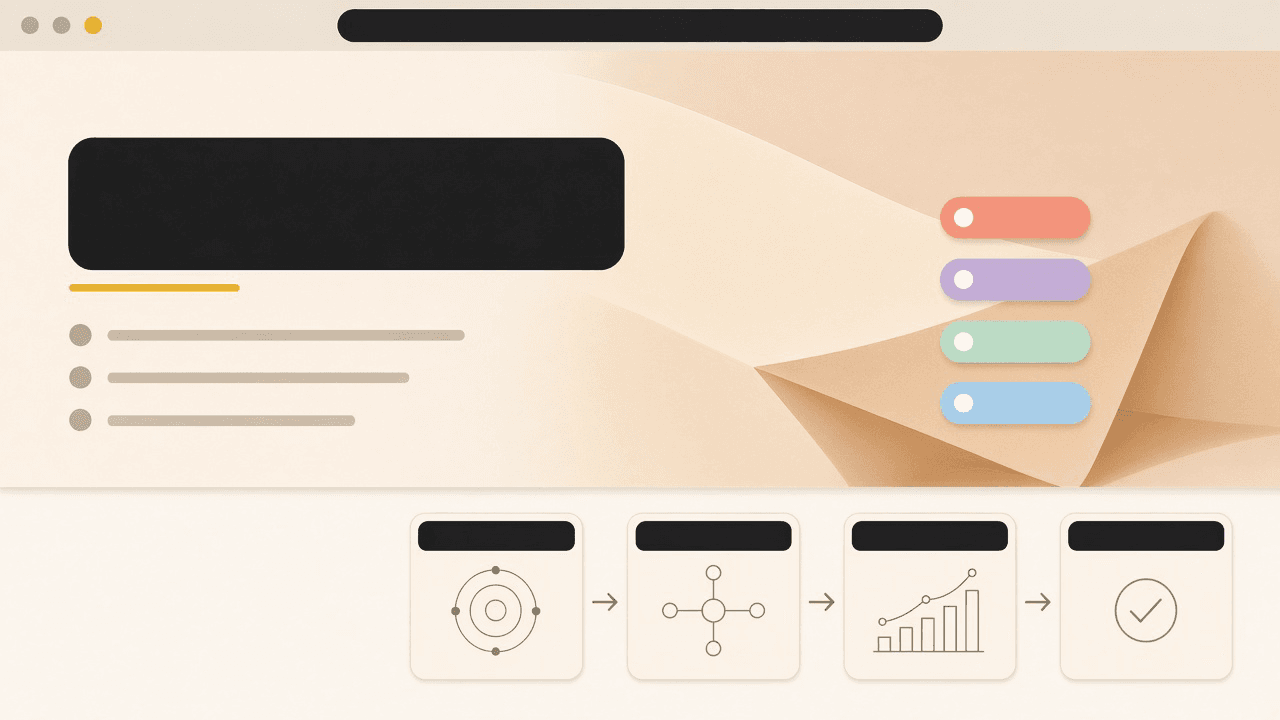
A teammate has a desk. A chat tab has a mood. The useful shift with Grok Bot is to treat one workflow as a place you return to: the source files, the draft, the open questions, and the rule for what a person must still approve.
In short. Pick one job. Keep its materials in the session. Let the first pass be a draft. You still send, file, or schedule it.
Draft first
Draft-first means the model writes the boring first version and a person spends judgment on it. The intake summary. The quote skeleton from the last three similar jobs. The status note to a customer who asked where the tech is. The Monday list pulled from the jobs that slipped.
You do not start by asking for a strategy memo about your industry. You start with an artifact the shop already produces, and you compare the draft to the one a person would have written. That comparison is the whole pilot. The shadow-mode guide is the calendar for it.
Draft-first also means you do not let the first version out the door because it sounded confident. Confidence is cheap. The checkpoint is the work.
Files stay with the job
A desktop teammate is only better than a chat tab if the materials survive the afternoon. Put the rate sheet, the intake questions, the tone examples, and the “never say this” note where the session can see them. When the job comes back tomorrow, you reopen the work. You do not re-explain the company from zero.
If your materials are trapped in someone’s inbox, fix that before you blame the model. The teammate cannot remember a PDF that lives in a truck.
Keep the data rule from the build pillar: ordinary job notes may be in the session; payment data, credentials, and anything you would not hand a new hire may not.
Sessions are workflows
Name the session after the workflow, not after the mood of the day. “Quote follow-up.” “New-customer intake.” “Parts question from the manual.” A named session teaches the team what the bot is for. A session called “ideas” becomes a junk drawer.
One workflow per session during the pilot. Mixing quoting and hiring in the same thread makes the draft sound like both and helps neither. You can have a second session later. You do not need it this week.
What stays a person’s job
The teammate does not own the customer, the price exception, the safety call, or the promise. Those stay with a name. Write that name on the pilot checklist before you are impressed by a draft.
If the pattern sticks — people reopen the session, the draft is usually close, the checkpoint is not theater — you have an operating desk. The next question is whether that desk should share memory and a screen with the rest of the shop. That question is LaunchpadOS, and the product lives on arcasya.ai.
If you are arriving from ChatGPT or Claude, do not throw those away to prove a point. Read the bridge and pilot one workflow. The pillar keeps the larger map honest, including what SpaceXAI is not.
Keep going
- From ChatGPT and Claude chat to operating with Grok Bot
A respectful bridge for people who already get value from ChatGPT or Claude. Move one workflow onto a Grok Bot desk, then decide whether to talk to Arcasya.
- What SpaceXAI and Grok Bot mean for operators
A plain-language map of stack excellence, a desktop teammate, and where LaunchpadOS fits. Not a partnership claim and not a product page.